Skip to content
iStock-2197892584

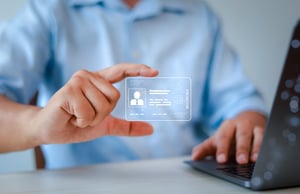
Have Your Photo ID Ready

Effective July 1, 2026, Deringer will require photo ID for the party or parties signing a new power of attorney. Read below to learn more.

In order to better protect you and in anticipation of upcoming changes from U.S. Customs and Border Protection (CBP), Deringer will now require current government issued photo ID for all new powers of attorney (POA).  Identity theft has been on the rise and both CBP and surety companies have noted the marked increase.  CBP’s most recent update to its best practices document, Validating the Power of Attorney and Electronic Signatures, states that:

To the greatest extent possible, have POA’s completed in person so the grantor’s unexpired government issued photo identification (driver’s license, passport, etc.) can be reviewed.

Since very few POAs are completed in person and in many cases may be created and signed electronically, Deringer is moving towards a review and verification process that includes collection of positive photo ID.  All information of a sensitive nature will be securely held in our database with restricted access once reviewed.  

In addition, President Trump recently issued executive order (EO) 14411 entitled “Strengthening Customs Enforcement”. It is clear from the EO that the administration is turning CBP’s focus from trade facilitation to a more enforcement minded posture. In the order, the President instructs CBP to collect “additional data and identification information” from Importers of Record.  

A.N. Deringer, Inc. understands that many may find these new requirements disquieting.  To help put this into perspective, the Federal Trade Commission recorded over 1.1 million complaints of identity theft in 2025 alone.  These new prerequisites will not only satisfy changing CBP rules but also protect you as a consumer and importer.


Resources:


Trade Alert

Positive ID Verification to Be Required for Powers of Attorney and Importers of Record

Issued on June 25, 2026

On June 3, 2026, President Trump issued the executive order “Strengthening Customs Enforcement”. In the executive order, the President has ordered Customs to take steps to revise eligibility regulations, guidance and policies with regards to those wishing to act in the capacity of an importer of record. The President stated that importers will need to “provide additional data and identification information”. Similarly, CBP’s current POA best practices document states that a customs broker should “To the greatest extent possible, have POA’s completed in person so the grantor’s unexpired government issued photo identification (driver’s license, passport, etc.) can be reviewed.”

Both CBP and surety companies have stated that identity theft and fraud are increasing and Customs is taking a closer look at importers Right to Make Entry (RTME). Shipments are being held at ports of entry while RTME exams are being conducted. This may involve a request to the broker for a copy of the power of attorney used to execute the release and entry as well as transactional documents from the importer to prove they own or have a financial interest in the goods. CBP is asking brokers to provide documents to support the review and authenticity of the power of attorney including government issued photo identification. Customs views RTME as a condition of release and will not release cargo until the review is concluded. This has resulted in additional storage and demurrage charges for many importers.

In light of the executive order and CBP’s own best practices document, effective July 1, 2026, Deringer will require positive identification in the form of an unexpired government issued photo ID (driver’s license, passport, etc.) for the party or parties signing any new power of attorney. Over time we will reach out to our clients which currently have a power of attorney on file without positive identification.